


Choosing a Septic Tank Service for Your Multi-Family Residential Building
Managing a multi-family residential building requires careful attention to shared utility systems, property maintenance schedules, and public health guidelines. When a residential property operates on an independent waste management network rather than a municipal sewer line, managing high volumes of wastewater requires regular, professional oversight. Partnering with a specialized septic tank service is the most effective way for property managers to prevent unexpected system failures, ensure continuous tenant satisfaction, and protect their physical real estate investment from severe environmental contamination.
Evaluating Capacity Requirements and System Demands
Multi-family properties face unique operational pressures because dozens of individual units route water, detergents, and organic waste into a central collection point simultaneously. Unlike a single-family home where usage remains highly predictable, apartment complexes and townhome communities experience intense, compounding surges in wastewater volume during peak morning and evening hours. According to Fortune Business Insights, septic tanks with 5,000 to 10,000-liter capacities play a considerable role in residential, commercial, and industrial wastewater management. Property managers must recognize that these large-scale containment structures require a highly specialized approach to routine evaluation and volumetric cleaning compared to smaller residential setups. Securing a septic service that understands the fluid dynamics and heavy processing demands of these high-capacity commercial-grade networks is essential for preventing dangerous backups across your entire complex.
Establishing Reliable Pumping and Maintenance Frequencies
Because multi-family waste systems process thousands of gallons of fluid every single day, standard single-family maintenance timelines are entirely inadequate for preserving their functional lifespan. Letting heavy solid waste accumulate at the bottom of a large collection chamber forces grease, scum, and solid particulates into the surrounding drainage field, causing permanent soil clogging and complete system breakdown. Once the soil pores in the absorption field become choked with solid materials, the ground completely loses its ability to filter wastewater, which often demands a total, highly expensive rebuilding of the entire drain field layout.
A dependable septic tank service will analyze the exact size of your underground infrastructure, track your total tenant occupancy numbers, and establish a clear, custom-tailored pumping schedule. For heavily utilized residential properties, this preventative cleanout process must be executed far more frequently to prevent solid waste layers from reaching critical levels.
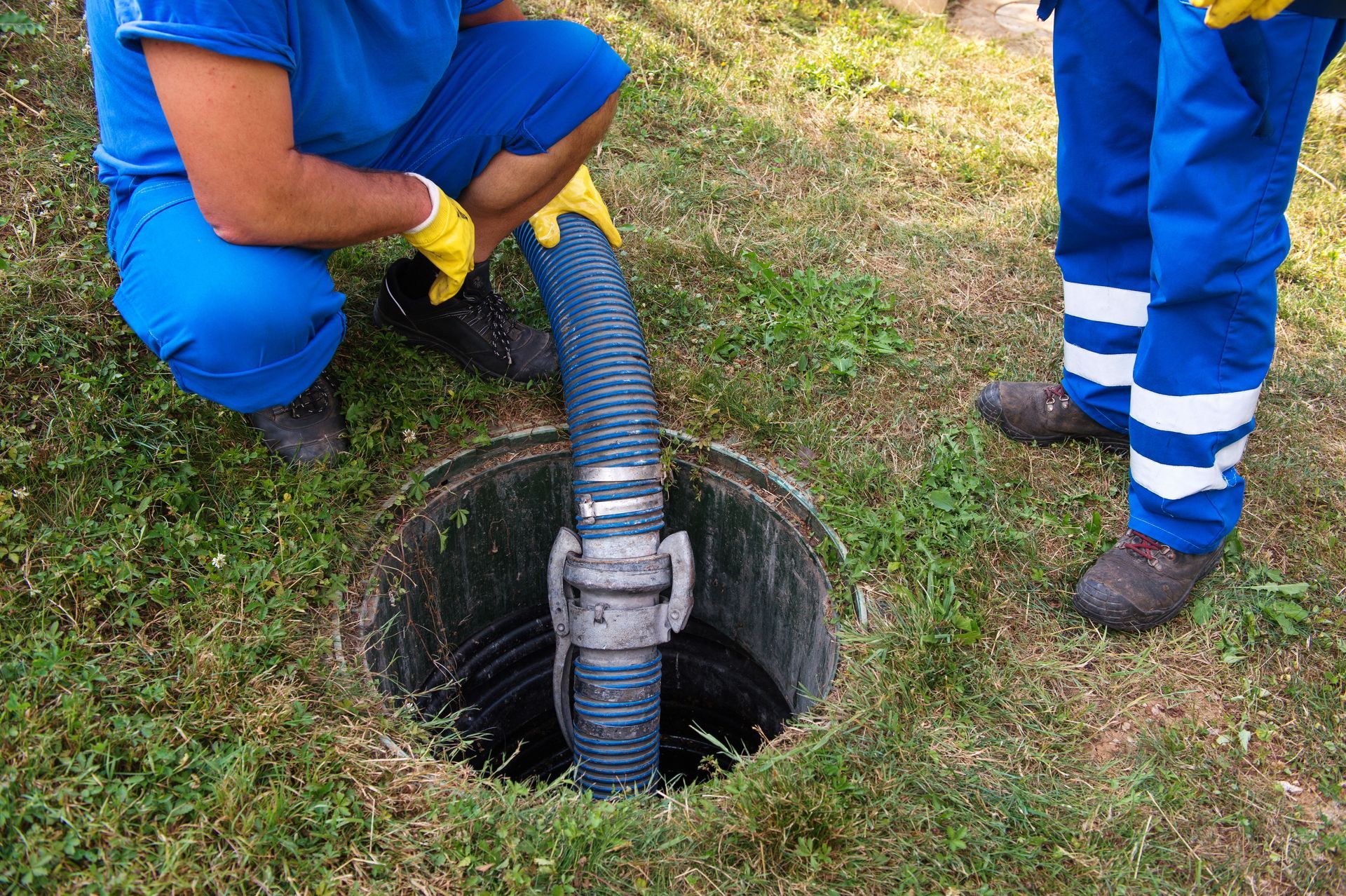
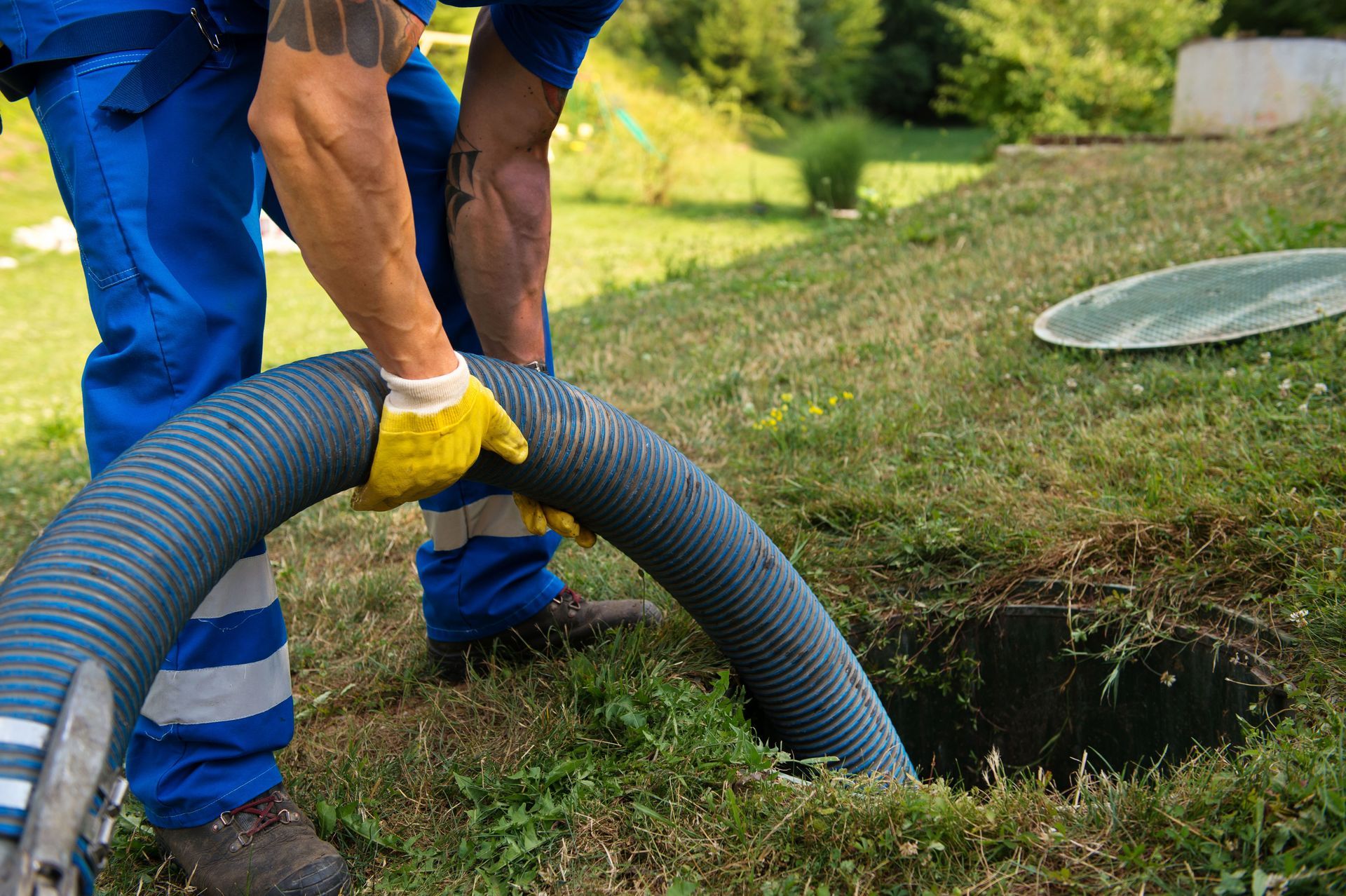
Routine pumping removes the thick sludge before it can breach internal safety baffles, entirely shielding your community from foul odors, slow-draining plumbing fixtures, and expensive emergency restoration costs. Leaving this task to guesswork risks overloading the system during peak holiday periods or summer months when water usage naturally increases across the complex. By remaining consistent with these high-volume pump-out sessions, you actively protect your building's plumbing integrity, ensure a sanitary environment for every resident, and maximize the operational longevity of your subterranean utility investments.
Inspecting Internal Components and Flow Controls
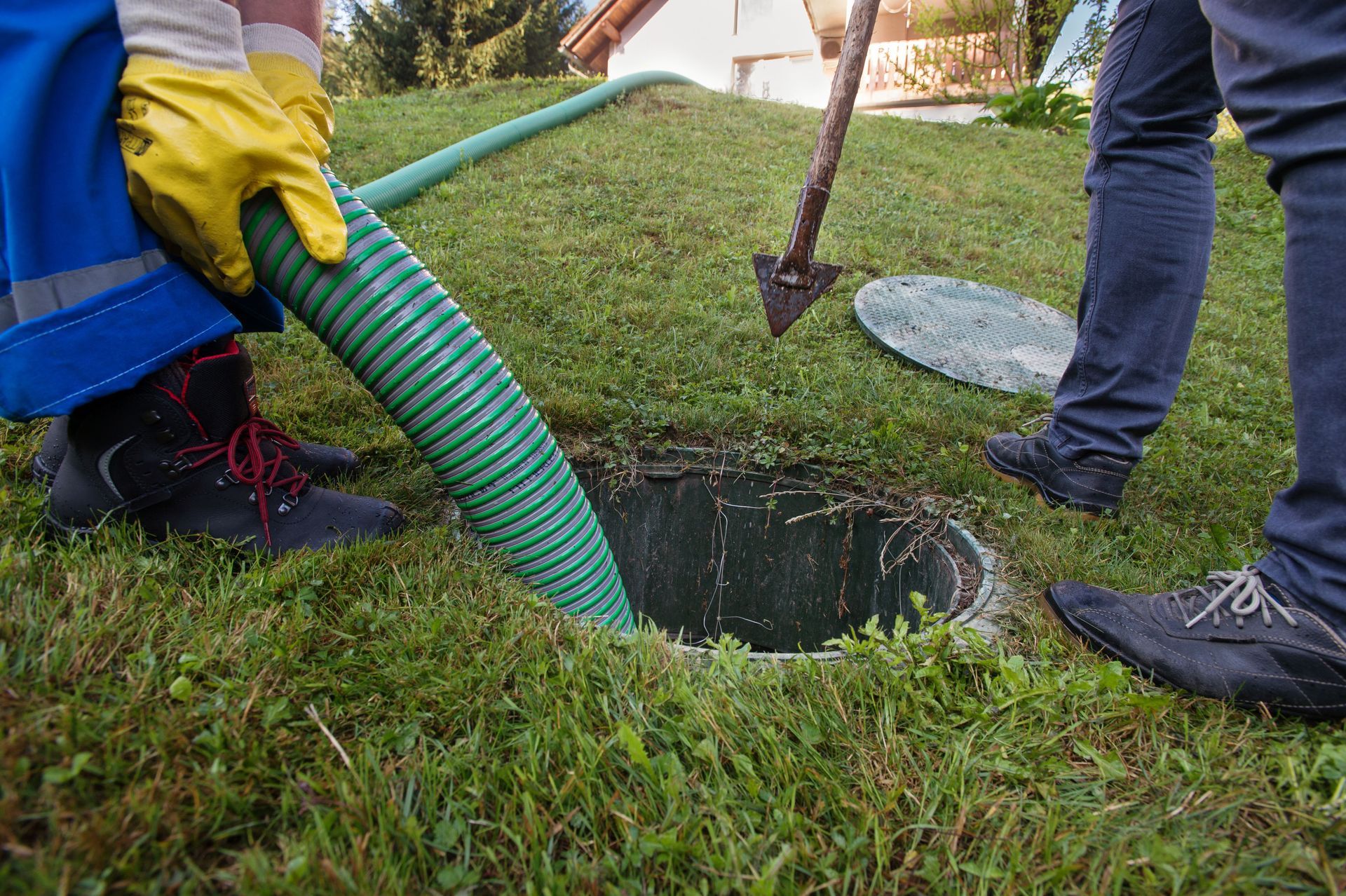
A truly thorough preventative evaluation involves far more than simply clearing out accumulated liquid and solid waste layers from the primary holding chamber. During a professional service appointment, expert field technicians perform a meticulous visual inspection of the underlying physical components that keep the system running efficiently. The technician will evaluate the integrity of the inlet and outlet baffles to verify they remain intact and are effectively redirecting fluid movement without allowing solid materials to escape.
Additionally, they will test the distribution box or drop box to ensure treated effluent is being distributed evenly throughout the absorption field for proper soil filtration. If one line receives too much wastewater, it can quickly cause localized soil failure, resulting in a soggy, contaminated patch of lawn above.
Choosing a septic tank service that prioritizes these precise structural diagnostic inspections ensures that minor component wear, cracked lids, or shifting distribution pipes are addressed long before they cause widespread structural failures. Technicians will also check for indications of groundwater infiltration, which can overload your system and significantly shorten its overall operating lifespan. Catching a deteriorating divider wall or a hairline crack in a riser section early allows you to schedule a minor, controlled repair rather than dealing with a catastrophic, full-scale structural emergency that disrupts the entire residential complex.
Troubleshooting Slow Drainage and Surface Ponding
When a multi-family plumbing network begins to show signs of structural distress, property managers must act quickly to isolate the root cause before multiple residential units are impacted. Common symptoms of a failing system include slow-draining toilets, deep gurgling noises echoing from bathroom pipes, or dark, soggy patches of grass appearing directly over the underground dispersal field. If you notice pooling water or lush, unnaturally green grass in the immediate vicinity of your leaching field, it typically indicates the soil is fully saturated and can no longer absorb effluent. This excessive saturation forces wastewater back up through the lowest drainage points in your building, presenting a severe biohazard risk to ground-floor residents.
An experienced septic tank service can perform detailed troubleshooting to determine if the issue is a simple localized line blockage or a major structural failure within the drainage network. Utilizing advanced diagnostic cameras, technicians can inspect the interior of your main transport lines to spot invasive tree roots, crushed pipes, or thick grease accumulations without digging up your pristine landscape. Resolving these tracking issues promptly keeps common areas clean and fully compliant with local environmental safety ordinances. Furthermore, taking quick, decisive action protects your enterprise from costly emergency plumbing fees and prevents minor, isolated pipe backups from spiraling into widespread, legally complex tenant liabilities.
Securing Certified Operations and Design Guidance
As multi-family structures expand or experience shifting tenant demographics, the existing wastewater treatment framework may require strategic upgrades, official safety certifications, or certified operations management. Working with a fully licensed team ensures that all repairs, system design modifications, and mandatory real estate transfer evaluations are performed in strict compliance with local construction guidelines and environmental health laws. This standard of professional oversight is critical when dealing with complex multi-family configurations that incorporate advanced effluent pumps, commercial grease traps, or specialized sand filters.
A professional provider handles everything from troubleshooting electrical floats and pump controls to executing precise structural installations for new construction projects. They can carefully evaluate your building's current processing limits to ensure it safely handles the heightened demands of modern low-flow appliances and heavy-duty commercial laundry facilities. Partnering with an authorized septic tank service ensures that your real estate assets remain fully protected, legally compliant, and optimized to handle heavy daily utility demands smoothly without interrupting your tenants' lives. This proactive collaboration completely eliminates the stress of unexpected city health inspections and guarantees your waste management systems perform flawlessly through seasonal surges and long-term community growth.
Partnering with Trusted Waste Management Professionals
Maintaining a functional, high-capacity wastewater system is a vital component of successful property management that directly impacts tenant retention, operational safety, and overall property value. Neglecting this hidden infrastructure can lead to catastrophic backups that force expensive tenant relocations, trigger costly regulatory fines, and ruin your property's reputation in the competitive housing market. By prioritizing systematic pumping schedules, thorough component inspections, and certified technical care, you ensure your shared infrastructure operates flawlessly under any volume of usage.
When you are ready to secure dependable maintenance, precise diagnostics, or professional repairs for your property, contact the experienced team at Cascade Septic Tank Service to schedule your appointment today. Our fully licensed specialists are equipped with heavy-duty commercial equipment and deep industry expertise, providing the efficient, worry-free waste management solutions required to keep your multi-family community clean, healthy, and completely compliant with local environmental standards year after year.
Share On: